Keep Critical Assets Running: Watch On-Demand Webinar
Oct 01, 2026

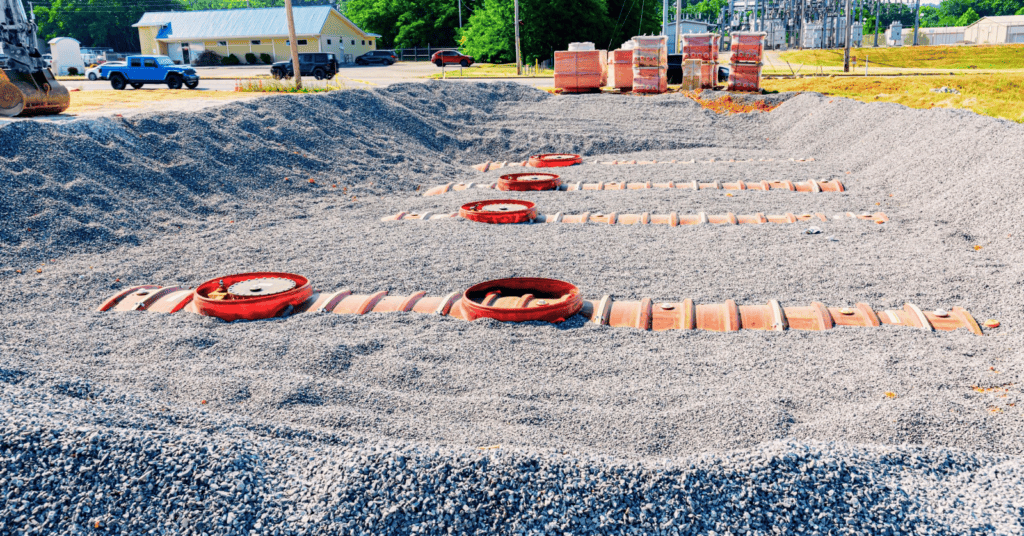
Water doesn’t belong in your fuel tanks. Yet for fuel retailers and operators worldwide, water ingress remains a persistent—and sometimes overlooked—threat to underground storage tank (UST) systems.
Heavy rainfall, deteriorating fittings, groundwater infiltration, and equipment failures can allow water to enter underground fuel tanks. Often, the problem develops out of sight, with few obvious warning signs until fuel quality or equipment performance is affected.
The consequences can extend far beyond removing contaminated fuel. Water ingress can contribute to operational downtime, equipment damage, environmental exposure, and customer complaints. In severe cases, contaminated fuel can reach vehicles before operators realize there’s a problem.
The challenge isn’t simply detecting water. It’s understanding how it entered the system, responding before the situation escalates, and preventing it from happening again.
Underground fuel storage systems are designed to protect the fuel they contain. But even well-maintained systems have potential points of vulnerability.
Water can enter through several pathways:
Underground fuel tanks are long-term assets, and many remain in service for decades. The average operating underground storage tank age is 27 years in the U.S.
But aging doesn’t necessarily mean failing. Regular inspections, monitoring, and tank integrity testing help operators identify vulnerabilities and make informed decisions about maintaining underground infrastructure.
As fuel networks age, understanding asset conditions becomes increasingly important—not just for preventing water ingress, but for protecting long-term reliability and controlling maintenance costs.
Water accumulation may not immediately disrupt operations. But that doesn’t mean it should be ignored, and can create several interconnected risks.
Water contamination is particularly concerning for ethanol-blended gasoline. Ethanol has an affinity for water. When sufficient water accumulates under certain conditions, the blend can undergo phase separation, where an ethanol-rich water layer separates from the gasoline. This can leave fuel unsuitable for its intended use and create significant operational problems.
According to the IEA Advanced Motor Fuels programme, phase separation can affect fuel quality, reduce the octane rating of the remaining gasoline, and cause engine performance problems. Importantly, phase separation isn’t itself a water ingress event. It’s a fuel quality issue that can develop after water enters the system.
Water accumulation can create conditions that support microbial growth, particularly where water and fuel meet. Over time, microbial contamination can contribute to clogged filters, reduced dispenser flow rates, and corrosion or pitting of susceptible tank components. These problems can increase maintenance requirements and affect equipment reliability.
For fuel retailers, the most visible consequence may be a customer vehicle experiencing problems after refueling. A single contamination incident can trigger complaints, operational disruption, and reputational damage. For operators managing large networks, the impact may extend well beyond the affected site.
A compromised tank can present risks in both directions: water entering the tank and fuel escaping into the surrounding environment. That makes tank integrity an important part of responsible fuel operations, regardless of the regulatory requirements in a particular market. Protecting underground infrastructure helps protect the fuel supply, surrounding soil and groundwater, and the communities that operators serve.
Water ingress isn’t always obvious. However, several indicators may warrant closer investigation.
No single indicator necessarily confirms water ingress. The key is recognizing patterns and having a process for investigating them.
Identifying water in a tank is only the beginning. Operators also need to determine whether the reading is valid, where the water may be entering, and what corrective action is necessary. That requires a combination of monitoring, physical verification, and targeted testing.
Automatic tank gauges provide important water level information, but individual readings can sometimes be misleading.
For example, a water float may temporarily rise during a fuel delivery and trigger an alarm, even when the reading doesn’t represent sustained water accumulation.
Titan Fuel Analytics High Definition (HD) uses frequent tank inventory data to monitor water levels and evaluate whether readings remain above configured thresholds. Rather than relying solely on a momentary threshold crossing, HD water detection can identify sustained changes that warrant attention.
Operators can also manage alarm thresholds centrally across their networks and review historical trends to understand whether corrective action has resolved the issue. Titan Compliance provides visibility into ATG alarms, supporting the investigation and management of potential water events.
Monitoring capabilities differ by solution. Standard-definition fuel reconciliation alone does not reliably identify water ingress, and effective monitoring depends on accurate tank gauge data.
When monitoring indicates potential water contamination, operators may need to confirm the condition through an appropriate physical water check, such as a manual measurement using water-detecting paste.
The EPA’s guidance on underground storage tank release detection emphasizes the importance of investigating unexplained water in tanks and correcting its source. The response should follow site-specific safety procedures and account for the severity of the suspected event.
If water ingress is confirmed or a tank integrity issue is suspected, specialized testing can help investigate potential entry points and assess the condition of the storage system. Depending on the circumstances, this may include evaluating tank-top fittings, containment areas, the tank shell, or associated piping.
Through its global testing partner network, Titan Cloud combines precision testing technology, digital reporting, and experienced field service providers to support tank and line integrity investigations.
Digitally captured test results and centralized access to testing records help operators maintain visibility into testing activities and make more informed decisions about corrective action.
Monitoring helps identify a potential problem. Testing helps investigate the physical system. Together, they support a more informed response.
Detecting water is only part of the equation. Fuel operators also need clearly defined procedures for investigating potential contamination, coordinating qualified testing professionals, and confirming that corrective actions have resolved the issue.
A proactive approach combines monitoring, testing, and operational readiness to help minimize disruption and protect customers.
Underground fuel infrastructure may be out of sight, but its condition directly affects what happens above ground.
For operators managing aging assets, constrained maintenance budgets, and growing expectations around fuel quality and environmental responsibility, water ingress is a risk worth addressing before it becomes an emergency. The goal isn’t simply to react when water appears in a tank. It’s to establish the visibility, testing practices, and response procedures needed to protect fuel quality and infrastructure over time.
A proactive approach to tank integrity helps protect customers, reduce operational disruption, and support responsible fuel storage.
Titan Cloud helps fuel operators manage tank and line testing programs through precision testing technology, digital reporting, and a global network of qualified testing partners.
Combined with Titan Fuel Analytics and Titan Compliance, these capabilities help operators improve visibility into underground fuel infrastructure and make more informed operational decisions.
Explore Titan Cloud Tank & Line Testing
What causes water to enter underground fuel tanks?
Water can enter underground fuel tanks through loose fittings, damaged seals, compromised tank shells, or openings exposed to heavy rainfall and flooding. Water may also enter during fuel deliveries when it accumulates around fill points.
How can you tell if there is water in an underground fuel tank?
Common indicators include automatic tank gauge (ATG) water alarms, reduced dispenser flow rates, frequent filter replacements, and unusual tank gauge readings. Water-detecting paste can help physically confirm water accumulation, while advanced fuel analytics can identify sustained changes in water levels.
Can water in a fuel tank damage equipment?
Yes. Water contamination can promote microbial growth, contribute to corrosion, clog filters, and reduce dispenser performance. In ethanol-blended gasoline, sufficient water can also cause phase separation, potentially making the fuel unsuitable for use.
Can tank and line testing detect water ingress?
Tank and line integrity testing can help investigate potential entry points when water ingress is suspected. While monitoring systems help identify water accumulation, specialized testing can assess the physical integrity of tanks, fittings, and associated piping to support appropriate corrective action.