Apr 08, 2026
4 Fuel Loss Scenarios — and How Leading Operators Are Stopping Them

Read More
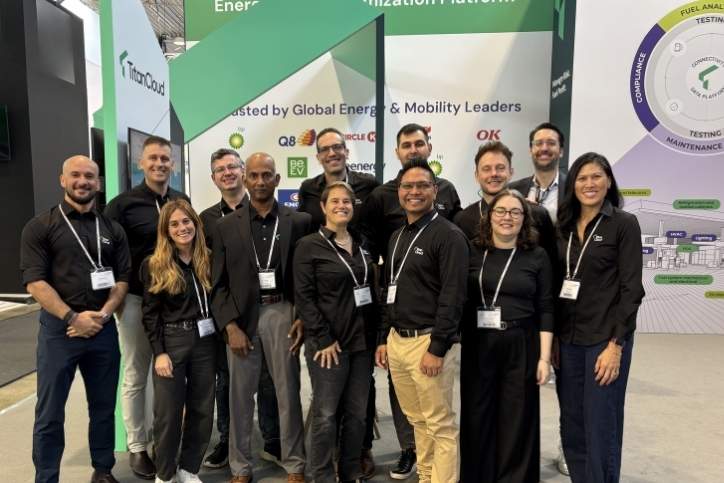
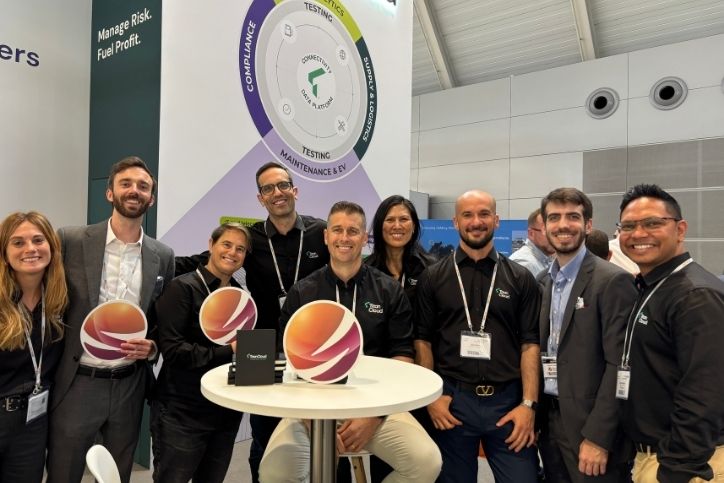
UNITI Expo 2026 brought together fuel retailers, convenience operators, mobility leaders, and technology providers from across Europe and beyond. For Titan Cloud, the event was a valuable opportunity to speak directly with operators about the pressures shaping the future of fuel retail and forecourt operations.
Across our conversations in Stuttgart, one message came through clearly: mobility operators are managing more complexity than ever.
Margins remain under pressure. Infrastructure is aging. Labour remains tight. Compliance requirements continue to evolve. EV charging infrastructure is adding a new layer of operational responsibility. At the same time, operators are expected to deliver a reliable customer experience across more sites, more assets, more vendors, and more energy types.
That combination is difficult to manage with disconnected systems.
Operators are not looking for more standalone tools. They are looking for greater operational control. They need better visibility, faster decision-making, stronger vendor coordination, and a scalable way to manage fuel, EV, maintenance, testing, and compliance across their networks.
That is exactly where the industry is heading.
Fuel and convenience operators have always run complex businesses. But the scope of that complexity has changed.
Today’s operators are managing:
Each of these areas has a direct impact on uptime, cost, risk, and profitability.
The challenge is that many operators still manage these functions through separate systems, manual processes, or fragmented vendor workflows. Maintenance may sit in one platform. Compliance in another. Fuel analytics may be handled separately. Testing activity may be coordinated manually. EV charging operations may be managed through yet another system.
That fragmentation creates blind spots. It slows teams down. It increases the risk of missed issues, delayed repairs, avoidable downtime, and inconsistent execution across markets.
At UNITI, we heard this consistently: operators need a more connected way to run their business.
One of the strongest themes from UNITI Expo was the shift toward unified operational platforms.
This is not about adding another layer of software. It is about giving operators a single operational view across the areas that matter most: maintenance, compliance, fuel analytics, testing, and EV infrastructure.
When these workflows are connected, operators can move from reactive issue management to proactive operational control. They can identify problems earlier, prioritise work more effectively, coordinate vendors more efficiently, and make faster decisions based on a clearer view of their network.
For large, distributed operators, this matters.
A single asset issue can quickly become a customer experience problem. A delayed repair can become a revenue problem. A missed compliance task can become a risk problem. A lack of visibility into fuel performance can become a margin problem.
Unified operations help operators connect those signals before small issues become larger business impacts.
Another important theme from UNITI was the convergence of fuel and EV operations.
The industry is no longer operating in a world where traditional fuel infrastructure and EV charging infrastructure can be managed as completely separate programmes. Many operators are now responsible for multiple energy infrastructures across the same forecourt network.
Liquid fuel remains critical. EV charging continues to expand. Both require operational discipline.
Whether the asset is a dispenser, tank system, line, charger, or other piece of site infrastructure, operators still need to manage uptime, maintenance, compliance, service coordination, performance data, and customer experience.
The future forecourt will require integrated operational management across energy types.
That does not mean fuel and EV assets are identical. They have different technical requirements, service models, and data needs. But from an operator’s perspective, they are part of the same broader business challenge: keeping sites running, protecting revenue, managing risk, and scaling efficiently.
The business case for better operational visibility is becoming clearer across the mobility industry.
When operators can see what is happening across their network, they can:
The biggest shift is moving from reactive problem-solving to proactive operational management.
Instead of waiting for issues to surface through customer complaints, delayed vendor updates, manual checks, or disconnected reports, operators can act earlier. They can identify recurring issues, compare site performance, understand maintenance spend, monitor fuel variance, and coordinate testing and compliance activity with greater confidence.
That is where operational intelligence becomes commercially valuable.
It helps operators focus resources where they matter most, reduce avoidable disruption, and improve performance across the network.
At UNITI, Titan Cloud showcased how operators can connect the core areas of forecourt operations: maintenance, fuel analytics, testing, compliance, and EV infrastructure management.
These areas are often discussed separately, but in practice they are deeply connected.
A maintenance issue can affect uptime and revenue. A fuel variance can signal a potential equipment, delivery, or operational issue. A testing event can influence compliance status and risk exposure. An EV charger outage can affect site performance and customer experience. A vendor delay can create operational and financial consequences.
Operators need these workflows to work together, not exist in isolation.
A unified platform helps operators centralise visibility, connect workflows, reduce vendor fragmentation, and create a more consistent operating model across countries, regions, and site networks.
For EMEA operators managing diverse markets, regulatory environments, and infrastructure maturity levels, that consistency is increasingly important.
UNITI Expo reinforced the direction Titan Cloud has been building toward.
Mobility operators are facing real operational pressure. They need practical technology that simplifies the business rather than adding complexity. They need platforms that support the realities of today’s forecourt while helping them prepare for the infrastructure mix of tomorrow.
The conversations we had at UNITI confirmed that operators are focused on a clear set of priorities:
These are not abstract goals. They are commercial priorities. They affect profitability, risk, customer experience, and long-term competitiveness.
The mobility industry is becoming more complex, but the operator mandate is becoming clearer: run the network with greater visibility, control, and intelligence.
That was the message we heard throughout UNITI Expo 2026.
Operators want to simplify fragmented processes. They want better insight into their business. They want to improve uptime, reduce risk, control costs, and support both fuel and EV operations more effectively. Most importantly, they want partners who understand the operational detail and commercial pressure of running complex forecourt networks.
Titan Cloud is proud to support that evolution.
Thank you to everyone who visited our booth, shared your perspective, and discussed where the industry is going next. UNITI confirmed that the future of mobility operations will be more connected, more data-driven, and more unified.
For operators ready to make that shift, the opportunity is significant.