Jan 29, 2026
Q&A with David Cornish, Maintenance & EV Solutions Consultant

Read More

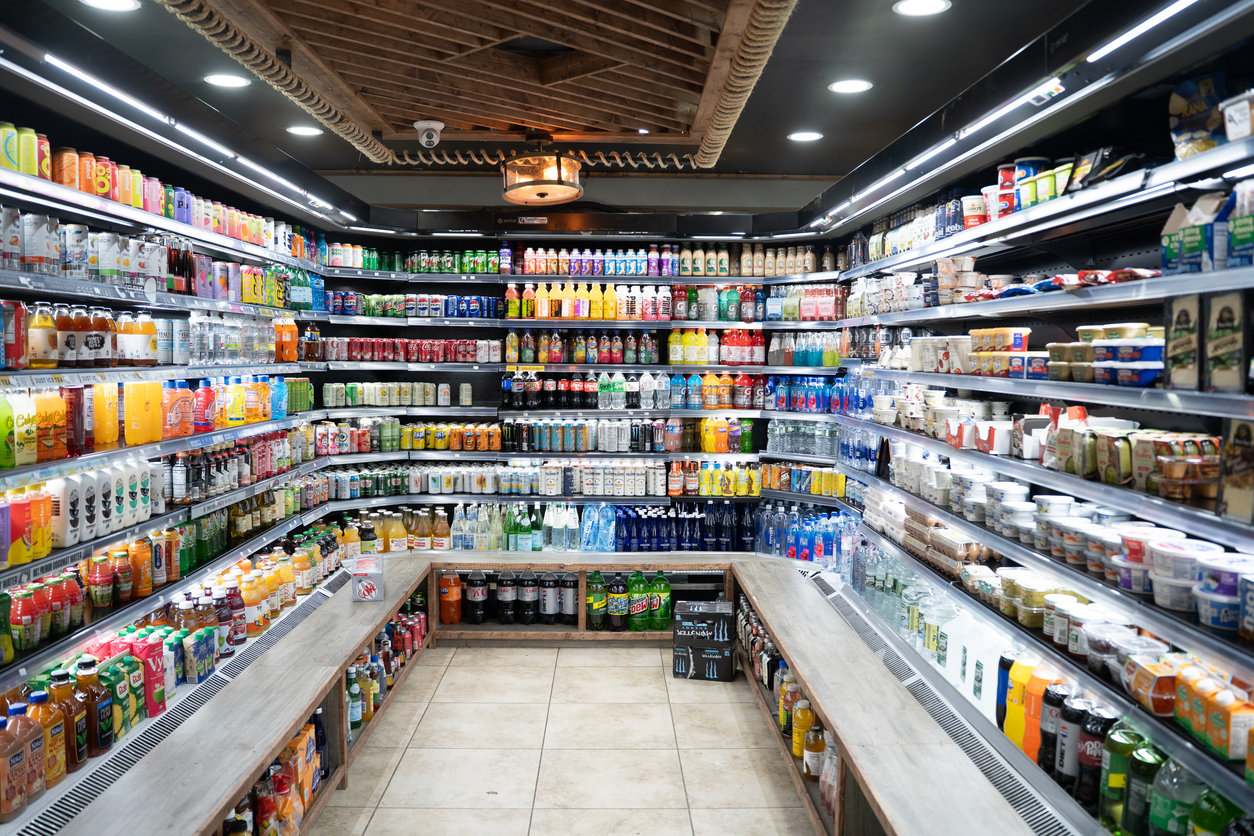
Fuel sites have changed. A visit isn’t just about filling up anymore — it’s about coffee, foodservice, car wash, cold drinks, and the convenience store experience that keeps customers coming back.
That shift has made non-fuel assets — car washes, coffee machines, refrigeration, EV chargers, air/vac, and other in-store and outside-the-store equipment — critical to both profitability and loyalty. But there’s a catch: these assets only earn money when they’re working.
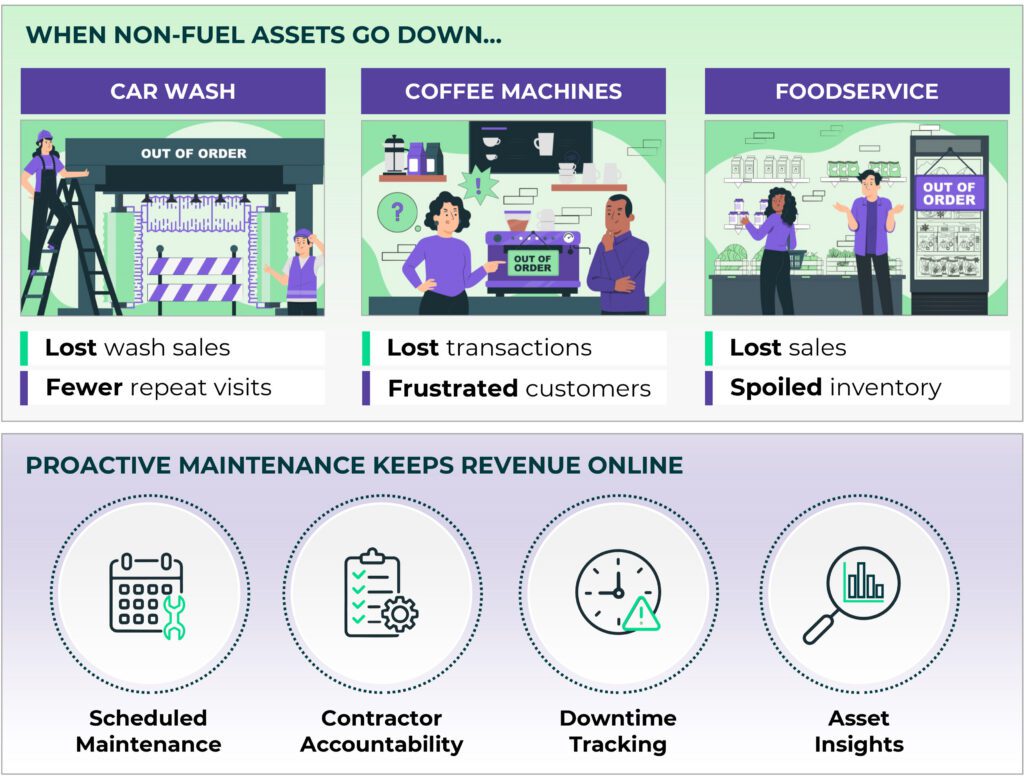
When a car wash is down, the lost revenue is obvious. When a coffee machine is offline during the morning rush, customers may skip the store entirely. When a cooler or chiller fails, it can mean lost sales and spoiled product. Across fueling sites, those “small” issues add up fast.
That’s why more operators are treating maintenance as more than a cost center. Maintenance is a revenue protection strategy — and a customer experience strategy.
As sites add services and equipment, the mix of maintenance changes too. Titan Cloud data from one major European fuel retail customer shows that over the past 12 months, only 12.5% of reactive maintenance tasks were fuel-related — meaning the majority of break-fix work was tied to non-fuel assets.
The takeaway isn’t that fuel systems are less important. It’s that the modern fuel retailer now depends on more revenue-generating equipment than ever — and uptime across those assets directly affects performance.
Not every asset has the same impact. If you’re prioritizing preventive maintenance and faster response, start with the equipment that drives traffic, margin, and customer expectations.
1) Car washes
Car washes have become a mainstream profit center for fuel retailers. In the U.S. alone, there are more than 60,000 car wash locations (2024), and many are co-located with the country’s 150,000+ convenience store and fuel retail sites. In fact, about 1 in 5 convenience stores that sell fuel also offers a car wash — making uptime a direct factor in protecting revenue and repeat visits. (Source: International Carwash Association)
When car washes are out of order, it’s not just lost wash sales—it’s missed repeat visits and damaged perception (“their car wash is always down”). Proactive maintenance helps keep wash equipment reliable, improves customer confidence, and protects a steady revenue stream.
2) Coffee machines
Coffee is high margin and habit-forming. Customers build routines around where they stop, and an “out of order” sign can change that routine quickly. Scheduled servicing and consistent upkeep help reduce those peak-time outages that turn into lost transactions and frustrated customers.
3) Refrigeration (coolers, chillers, freezers)
Cold drinks and fresh items are core to the convenience store experience. Titan Cloud customers consistently see refrigeration as a major source of reactive maintenance and spend. Failures don’t just reduce sales — they can impact inventory, waste, and store operations. Preventive maintenance reduces unplanned downtime, extends asset life, and supports food safety and quality.
Together, coffee and refrigeration support one of the biggest profit engines inside the store: foodservice. In 2024, foodservice sales — including prepared food, commissary, and hot, cold, and frozen dispensed beverages — accounted for 27.7% of in-store sales and 38.6% of in-store gross margin dollars at convenience stores. (Source: NACS)
“We want to be certain that when a customer walks into a Maxol store, they can buy that coffee or ice cream. That means moving away from reactive maintenance and getting ahead of any breakages or outages.”
— Frank Melia, Maintenance Co-ordinator, Maxol
This mindset is increasingly common among leading operators: protect the experience by protecting uptime. When maintenance becomes proactive, downtime drops, emergencies decrease, and teams spend less time firefighting.
Preventive maintenance only works when it’s visible, trackable, and easy to manage across sites. A modern approach includes:
Regular servicing keeps assets performing and reduces surprise breakdowns. Operators need an easy way to see:
Most networks rely on multiple contractors for different asset types. Without clear tracking, it’s easy to lose time chasing updates, confirming qualifications, or clarifying scope. Strong contractor management improves:
You can’t improve what you can’t measure. Knowing which assets are down, for how long, and how often helps teams prioritize the right work and prevent repeat failures. Better downtime reporting supports smarter decisions around escalation, dispatch, and maintenance planning.
Operators need more than a service log — they need insight. Asset analytics should help answer:
Titan Maintenance helps operators manage non-fuel assets with a proactive approach — bringing scheduled maintenance, contractor coordination, downtime visibility, and asset performance insight into one solution. The goal is simple: reduce downtime, protect revenue, and deliver a consistent customer experience across every site.
If non-fuel assets are a bigger part of your business than ever, this is the right time to modernize your approach to maintenance. Register for our March 18 webinar “Beyond the Pump: Managing Maintenance for C-Stores, Forecourts & Car Washes” to see how Titan Maintenance helps improve uptime, standardize workflows, and give teams visibility into non-fuel asset performance.